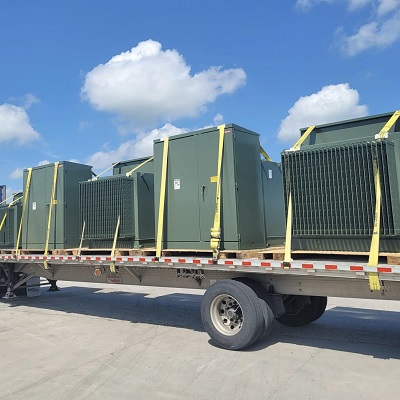
The Comprehensive Skills Assessment (CSA) covers the essential federal regulations for cargo securement on flatbed vehicles. This assessment verifies knowledge of the general performance standards, which require securement systems to withstand specific g-forces (0.8g deceleration forward, 0.5g acceleration rearward, and 0.5g acceleration lateral)and the fundamental rule that the aggregate working load limit (AWLL) of tiedowns must be at least 50% of the cargo weightIt tests the application of rules determining the minimum number of tiedowns based on cargo length, such as requiring two tiedowns for the first 10 feet of an unblocked article, plus one additional tiedown for every 10-foot fraction thereof beyond the first 10 feetand validates knowledge of device integrity, including the mandatory use of edge protection to prevent abrasion and the prohibition of knots in tiedownsFurthermore, the CSA delves into detailed, commodity-specific requirements, covering proper securement for loads like metal coils (subject to specific rules at 5,000 lbs. or more), logs (requiring bunks and stakes), and heavy equipment (requiring a minimum of four tiedowns for items over 10,000 lbs.), ensuring the load is contained, immobilized, or secured to prevent shifting or falling in all directions.

This assessment is designed to evaluate the participant’s skills and mastery of the fundamentals of flatbed trucking, with a strong emphasis on adhering to federal regulations and best practices for cargo securement and driver safetyIt tests knowledge of the requirements outlined in current American laws of the roadincluding the proper techniques and equipment for securing diverse cargoSuccessful completion establishes the participant’s existing knowledge when it comes to ensuring the safe, compliant, and efficient transportation of goods in the flatbed trucking industry.

The men and women in the electrical audit team are routinely confronted by on-the-job challenges due to a myriad of complexities and safety considerations involved. These ever-changing challenges have reached a point where the skills and knowledge of employees now make a critical difference in developing and maintaining electrical systems. The challenges electrical auditors face includes, but are not limited to: ensuring safety, accessing areas, identifying hidden issues, interpreting technical data, timing constraints, effectively communicating and documenting workflow, and keeping abreast of new technologies.

To address these challenges, the Comprehensive Skills Assessment or CSA covers all electrical subject matter required in the course of performing an electrical audit. In assessing this position, we have taken all of the classes involved in the electrical business and created a job assessment questionnaire. More than 900 questions from the pretest and final assessment of all classes were boiled down to one-hundred essential multiple-choice, true/false, and yes/no questions comprising the CSA.

The results from the CSA categorize the skills and knowledge of the individual being assessed into one of our four levels of accomplishment: Developing, Beginning, Intermediate, and Advanced. These assessments can be used, in conjunction with background checks and interviews, to screen applicants before they are hired.

The genesis of the CSA has been to enable employers to create a specific employee development program for each employee in the electrical audit team. In addition, it can be used in the annual performance review for each employee. It can even be used as a foundation piece of information related to wages and salaries for the electrical systems audit team.

The men and women in the electrical evaluation team are routinely confronted by on-the-job challenges due to a myriad of complexities and safety considerations involved. These ever-changing challenges have reached a point where the skills and knowledge of employees now make a critical difference in developing and maintaining electrical systems. The challenges electrical evaluator face includes, but are not limited to: ensuring safety, accessing areas, identifying hidden issues, interpreting technical data, timing constraints, effectively communicating and documenting workflow, and keeping abreast of new technologies.

To address these challenges, the Comprehensive Skills Assessment or CSA covers all electrical subject matter required in the course of performing an electrical evaluation. In assessing this position, we have taken all of the classes involved in the electrical business and created a job assessment questionnaire. More than 900 questions from the pretest and final assessment of all classes were boiled down to one-hundred essential multiple-choice, true/false, and yes/no questions comprising the CSA.

The results from the CSA categorize the skills and knowledge of the individual being assessed into one of our four levels of accomplishment: Developing, Beginning, Intermediate, and Advanced. These assessments can be used, in conjunction with background checks and interviews, to screen applicants before they are hired.

The genesis of the CSA has been to enable employers to create a specific employee development program for each employee in the electrical evaluation team. In addition, it can be used in the annual performance review for each employee. It can even be used as a foundation piece of information related to wages and salaries for the electrical systems evaluation team.

It is an exciting time to have a career in the electrical field. Electrification is being reimagined and updated with the latest technologies to enhance the way we live, work and play. Continuing education can prepare you for diverse roles in the electrical industry while keeping you on top of technological advancements and safety standards. Plus, continuing education is essential to remaining relevant, competitive and effective in your career. Let our accredited online training courses help achieve your career ambitions in the electrical industry today!

This comprehensive skills assessment covers all of the topics and subject matter required in the course of performing electrical tasks. In assessing this position, we have taken all of the classes involved in the electrical business and created a job assessment questionnaire. We have taken the over 900 questions, from the pretest and final assessment, from all of the classes offered. We have taken all of these questions and boiled them down to one-hundred essential questions. Each question has an answer within a multiple-choice selection, true/false, and yes/no.

The results from the CSA, Comprehensive Skills Assessment, categorize the skills and knowledge of the individual being assessed, into one of our four levels of accomplishment: Developing, Beginning, Intermediate, and Advanced.

These assessments can be used, in conjunction with background checks and interviews, to screen applicants before they are hired. They should also be used in the annual performance review with each employee. They can even be used as a foundation piece of information related to the wages and salaries paid to the employees. Finally, and this is the genesis of the creation of the comprehensive assessment skills, the assessment has been developed to be used to create a specific employee development program for each employee in electrical teams.

The Journeyman Electrician test is a comprehensive examination designed to assess the knowledge and skills of individuals seeking licensure as professional electricians. This test typically covers a wide range of topics, including electrical theory, wiring methods, safety protocols, the National Electrical Code (NEC), and local building regulations. Candidates are expected to demonstrate proficiency in reading blueprints, performing load calculations, and understanding circuitry and troubleshooting techniques. The exam often includes both multiple-choice questions and practical scenarios to evaluate the applicant’s ability to apply code requirements in real-world situations. Successfully passing the Journeyman Electrician test is a critical step toward advancing within the electrical trade.

In assessing this job function we have taken the skills and knowledge requirements and created an assessment questionnaire. We have used as the foundation for this assessment the pretest and final assessment questions from all of the classes offered for Professional Development. We have taken all of these questions and boiled them down to essential questions. Each question has an answer within a multiple-choice selection.

The results from the CSA, Comprehensive Skills Assessment, categorize the skills and knowledge of the individual being assessed, into one of our four levels of accomplishment: Developing, Beginning, Intermediate, and Advanced.

These assessments can be used, in conjunction with background checks and interviews, to screen applicants before they are hired. They should also be used in the annual performance review with each employee. They can even be used as a foundation piece of information related to the wages and salaries paid to the employees. Finally, and this is the genesis of the creation of the comprehensive skills assessment, the assessment has been developed to be used to create a specific employee development program for each employee in the parts and service business teams.