
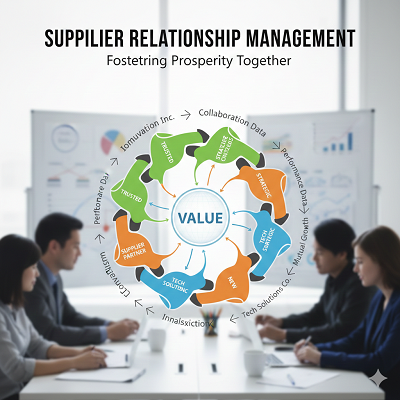
LWS: Supplier Relationship Management (ENG)
In today’s complex business environment, the importance of building strong supplier relationships cannot be overstated. A robust and strategic supplier relationship management (SRM) approach forms the backbone of a supply chain that is efficient, reliable, and adaptive to changing market conditions. Companies that prioritize long-term partnerships with their suppliers can reap benefits far beyond timely deliveries and consistent product quality. Strong supplier relationships foster a culture of collaboration that allows for open communication, joint problem-solving, and continuous innovation, which can lead to reduced costs, improved efficiency, and enhanced supply chain resilience. For example, collaborative efforts between suppliers and companies can result in process improvements, such as refining raw material specifications or adopting lean production practices, which help to minimize waste and optimize resource use. Furthermore, companies with solid supplier partnerships gain a competitive advantage by having access to real-time industry insights and emerging trends, enabling them to make proactive decisions that keep them ahead of their competitors.
The role of strong supplier relationships becomes even more critical when considering the potential risks and disruptions that can impact supply chains. Companies that maintain strategic alliances with their suppliers are better positioned to manage unforeseen challenges, whether due to natural disasters, economic shifts, or global pandemics. These partnerships allow companies to engage in contingency planning, access vital resources, and maintain supply chain continuity during periods of disruption. For instance, during the COVID-19 pandemic, companies that had cultivated strong relationships with their suppliers were able to secure essential materials and adjust production schedules more effectively than their counterparts with weaker supplier ties. Moreover, strong supplier relationships support a proactive approach to quality management, enabling companies to uphold high standards, quickly address any quality issues that arise, and implement corrective actions to prevent recurrence. By working closely with suppliers

